
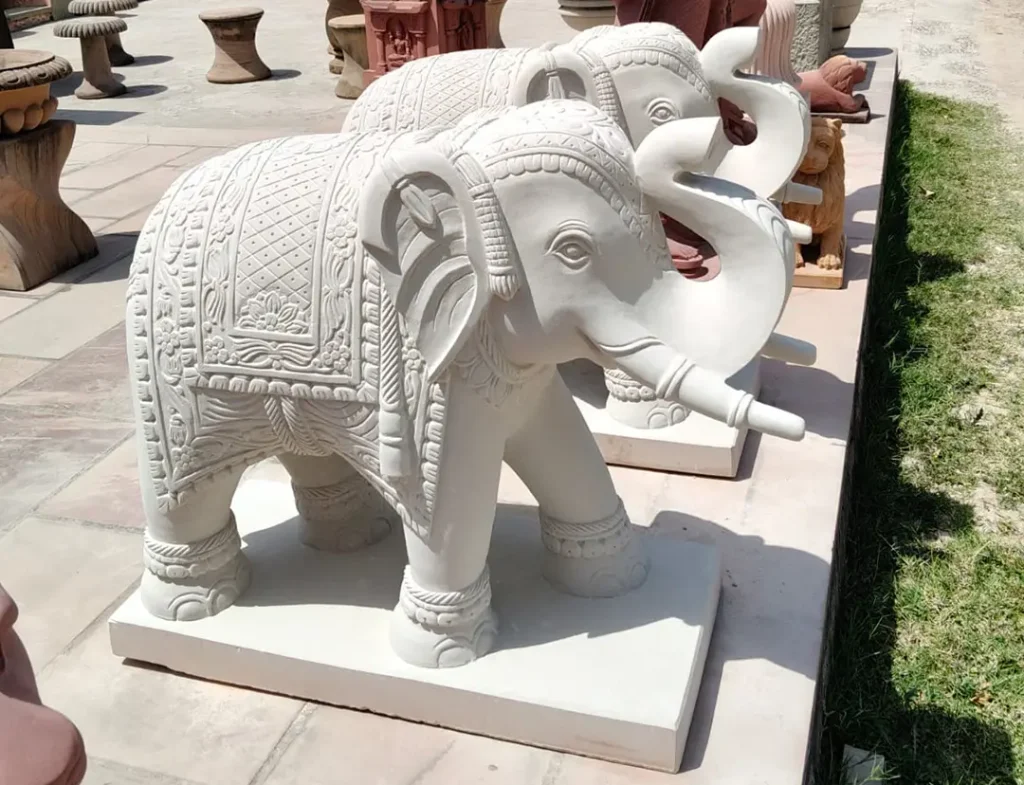
India’s relationship with stone dates back thousands of years. From temple sculptures and royal palaces to decorative garden pieces & architectural ornaments, stone has played a central role in preserving the country’s artistic and cultural identity. Among the many natural stones used by artisans over the centuries, sandstone occupies a special place due to its workability, durability, and natural beauty.
Today, Indian sandstone artifacts continue to remain of high interest for buyers around the globe. From luxury resorts and public spaces to private gardens and heritage-inspired interiors, these handcrafted creations add a lasting charm & genuine character that mass-produced, machine-made décor simply cannot replicate.
Why Sandstone Remains a Preferred Choice
Indian sandstone is well known for its fine-grained structure, natural strength & rich color variations. Available in shades of beige, red, brown, pink, yellow, and grey, it offers designers and architects numerous possibilities for their projects.
Some of the qualities that make sandstone suitable for artifact production include:
– Ease of carving and shaping
– Resistance to outdoor weather conditions
– Natural texture and visual warmth
– Availability in multiple colors and finishes
– Long-lasting performance with minimal maintenance
These characteristics allow craftsmen to create intricate sculptures while maintaining structural integrity.
Not Every Artifact Starts as a Sculpture
When people hear the word artifact, they usually imagine statues. In reality, the export market includes a much wider range of sandstone Indian artifacts.
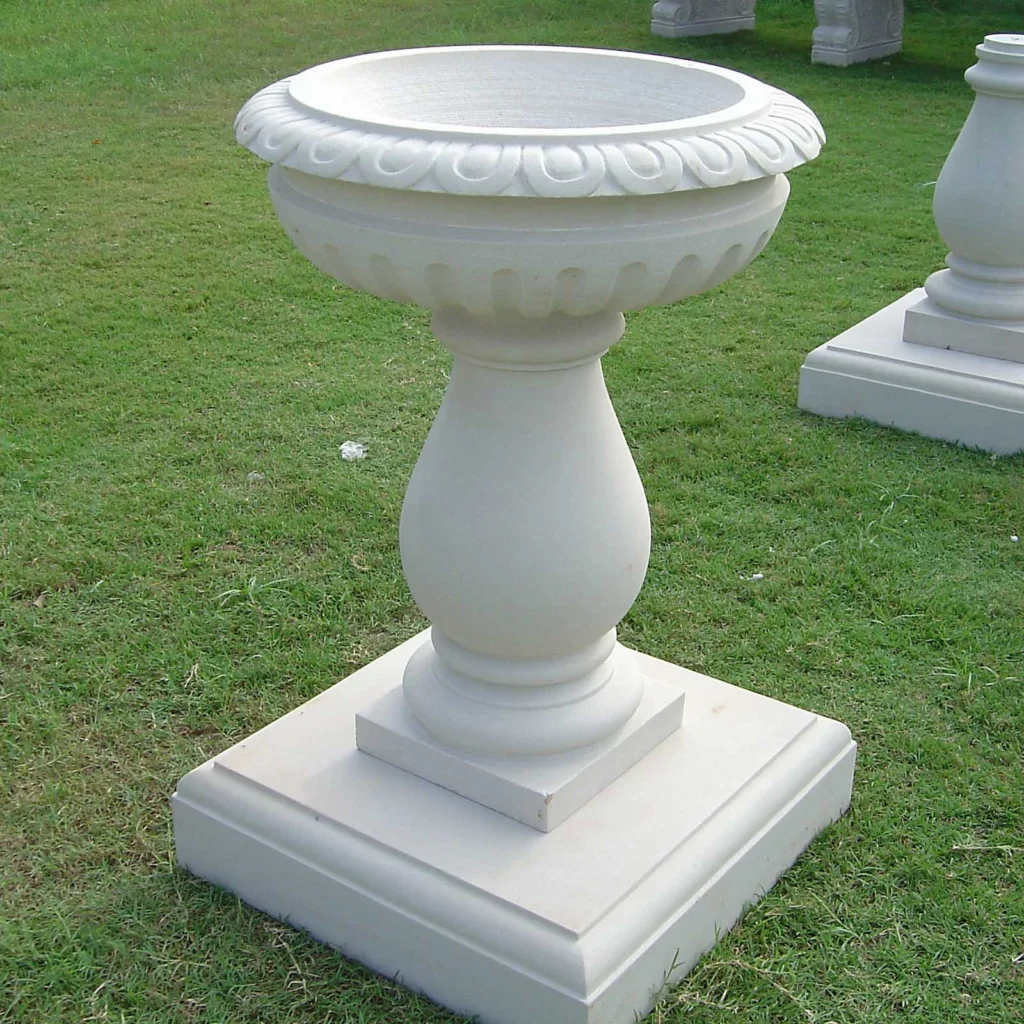
Commonly shipped sandstone artifacts from India are:
– Decorative planters
– Garden benches
– Bird baths
– Wall murals
– Hand-carved pillars
– Lanterns
– Fountains
– Religious sculptures
– Animal figures
Many of these products are commissioned specifically for landscaping projects in Europe, North America, Australia, and the Middle East.
The Craftsmanship Behind Sandstone Indian Artifacts
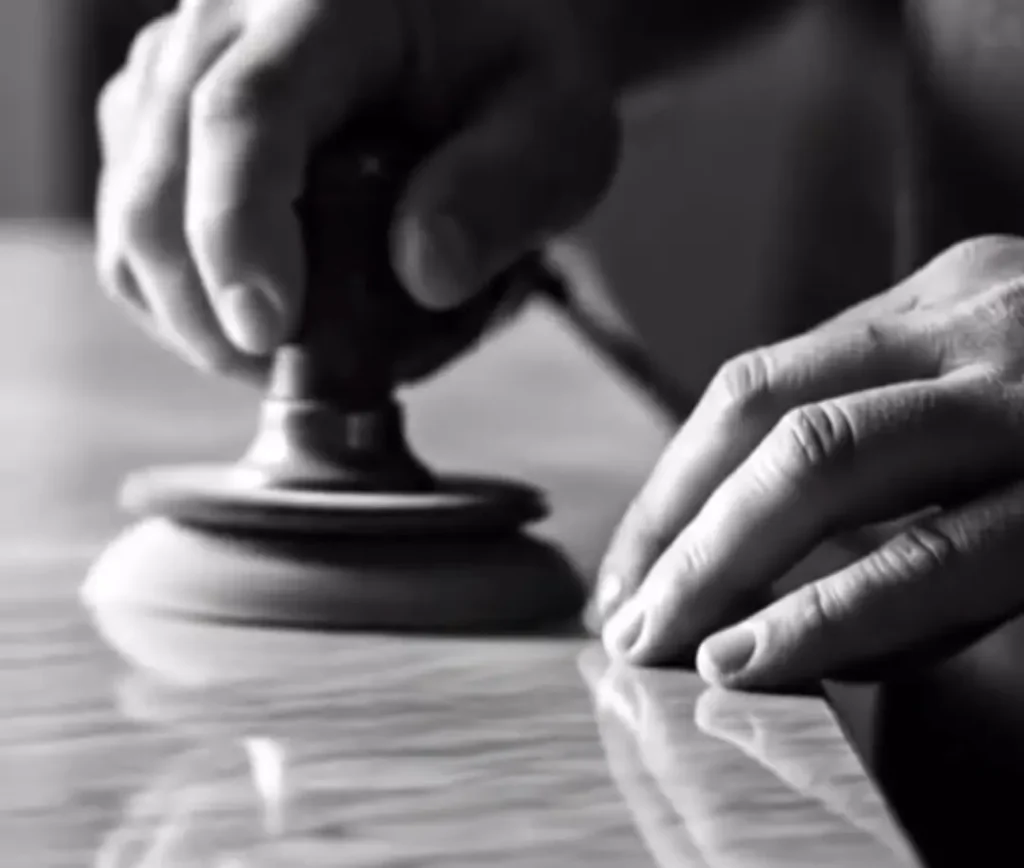
Making a sandstone Indian artifact takes a lot of manual effort and attention to detail. In many cases, the artisans working on these pieces come from families that have been involved in stone carving for generations. Their knowledge and techniques have been passed down over the years, helping keep this traditional craft alive. While the modern finishing techniques help improve the overall production quality, the skills are a must.
The process generally involves:
Stage | Description |
Stone Selection | Choosing blocks based on color, grain, and strength |
Design Development | Creating sketches or reference drawings |
Rough Carving | Removing excess material to define the shape |
Detailed Handwork | Adding intricate patterns and artistic elements |
Surface Finishing | Honing, polishing, brushing, or antiquing |
Quality Inspection | Checking dimensions, finish quality, and durability |
The result is a unique piece that reflects both artistic vision and technical expertise
What Importers Usually Look For
Price is important, but it is rarely the only consideration. For large projects, reliability often becomes a deciding factor.
Buyer Priority | Why It Matters |
Consistent Stone Color | Important for project uniformity |
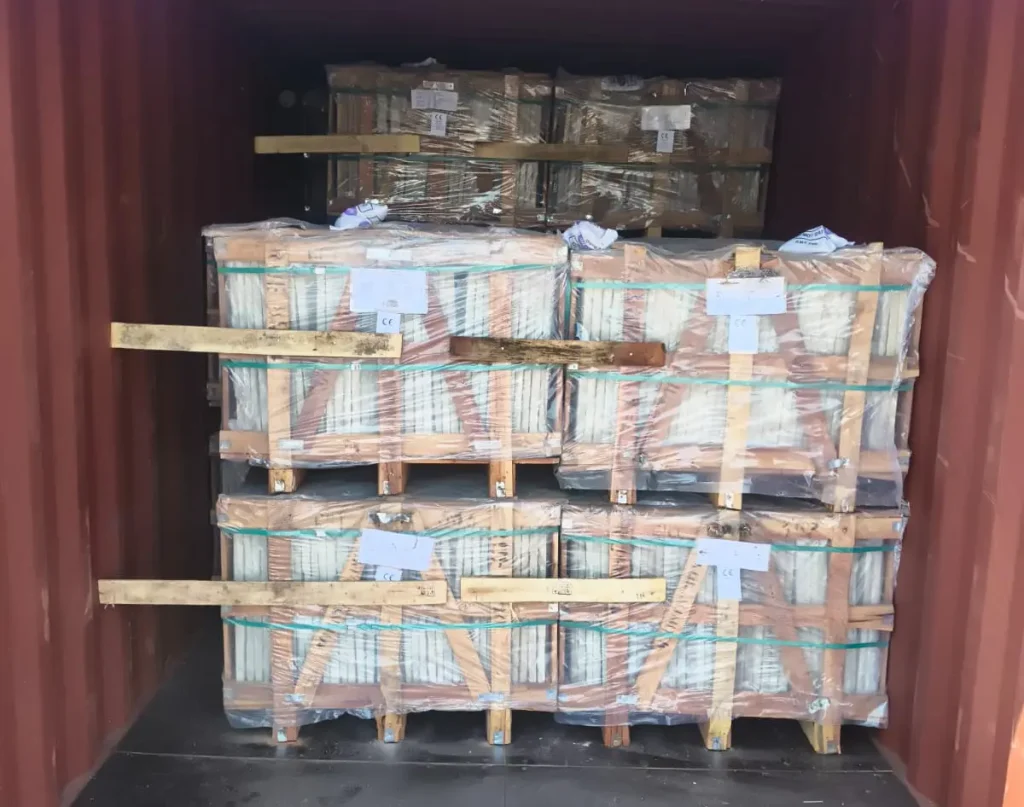
Secure Packaging | Reduces transit damage |
Custom Production Capability | Allows project-specific designs |
Price is important, but it is rarely the only consideration. For large projects, reliability often becomes a deciding factor.
Shipping Challenges Most Buyers Never See
A finished sandstone artifact looks absolutely beautiful when displayed in a showroom, but the process behind getting it there is not that simple.
Large sculptures often require custom wooden crates, reinforced pallet bases, and careful container loading plans. Weight distribution must be considered before shipment. A minor packaging mistake can result in significant losses during international transport.
This behind-the-scenes work is one reason experienced exporters are often preferred for artifact procurement. The product itself is only part of the transaction; safe delivery is equally important.
India's Position in the Global Market
India has emerged as one of the globally leading suppliers of natural stone products. Its large sandstone reserves and skilled artisans have helped build a strong reputation in global markets.
Today, importers, wholesalers, landscape contractors, and architectural firms often collaborate with an experienced Indian Sandstone Manufacturer and Exporter to source handcrafted artifacts in custom sizes and designs. An experienced exporter from India ensures the best product quality, professional packaging, and timely delivery.
The combination of craftsmanship, raw material availability, and export expertise gives Indian suppliers a competitive advantage in global markets.
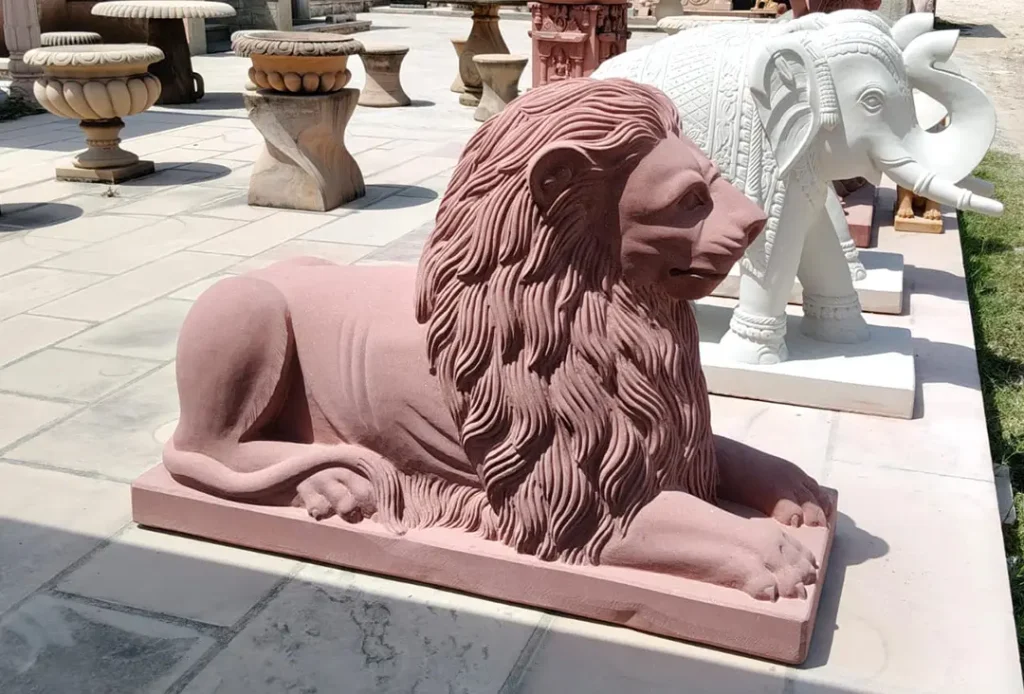
Trends in architecture change every few years. Materials come and go. Yet sandstone artifacts continue to find space in modern projects.
Perhaps the reason is simple. Natural stone ages differently from manufactured materials. Exposure to weather gradually enhances its appearance instead of diminishing it. A sandstone fountain or sculpture installed today may look even better several years later. While many modern decorative products may fade, crack, or lose their appeal over time, sandstone develops a weathered charm that adds to its beauty. This lasting aesthetic value is one of the key reasons why homeowners, landscape designers, architects, and collectors continue to prefer sandstone artifacts over modern synthetic alternatives.
For buyers seeking products with character, durability, and a connection to traditional craftsmanship, Sandstone Indian Artifacts remain one of India’s most distinctive stone exports.